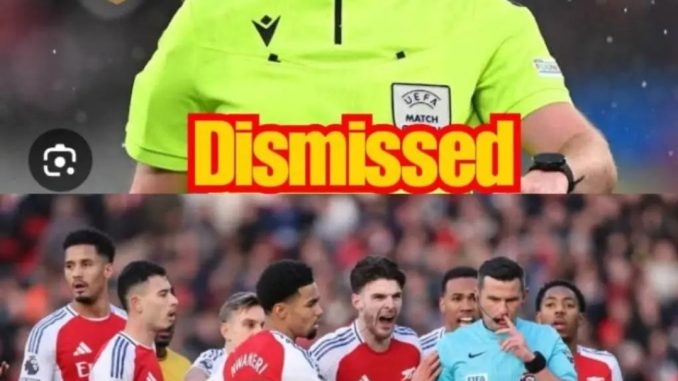
England FA Overturns Red Card and Dismisses Referee Following Arsenal Controversy
In a dramatic move, the England FA has overturned the red card issued to Arsenal’s Myles Lewis-Skelly during their contentious match against Wolves. Following a comprehensive review of the incident, the FA determined that the decision to dismiss the young midfielder was based on an error by referee Michael Oliver and his officiating team.
The FA issued an apology acknowledging the mistake, emphasizing its commitment to fairness and transparency. This development marks a crucial step in maintaining accountability in Premier League officiating.
The Incident and Immediate Fallout
The controversial event unfolded in the match’s second half when Lewis-Skelly was sent off for a challenge deemed reckless by Oliver. The decision sparked widespread protests from Arsenal players and fans, as replay footage suggested the challenge involved minimal contact and no malicious intent. The red card resulted in a penalty for Wolves, leaving Arsenal with only ten players for the remainder of the game.
FA Investigation and Outcome
The FA launched an investigation, analyzing video evidence, referee reports, and post-match assessments. It concluded that the red card was unwarranted, determining a yellow card would have sufficed. Consequently, Lewis-Skelly’s disciplinary record was cleared, and the FA confirmed the decision in a formal statement.
Additionally, Michael Oliver faced scrutiny for his performance, which included several key errors beyond the red card incident. As a result, the FA announced his suspension from officiating duties, underscoring the necessity of higher officiating standards, particularly with the integration of VAR.
Reactions from Arsenal and Wolves
Arsenal manager Mikel Arteta welcomed the decision, stating, “Justice has prevailed. Myles deserves the chance to play without the weight of an unfair decision.” Wolves manager Julen Lopetegui acknowledged the FA’s decision, expressing disappointment at the initial call but affirming his respect for fairness in the game.
Broader Implications on VAR and Officiating
This incident has reignited debates surrounding VAR’s role and refereeing consistency. Critics argue that while VAR was designed to reduce errors, its effectiveness depends on human interpretation, often leading to inconsistencies. Former referee Mark Clattenburg highlighted the need for VAR to complement, not replace, referees’ judgment.
Moving Forward
The FA has pledged to enhance referee training and review VAR procedures to prevent similar errors. This case sets a precedent for handling officiating controversies, reinforcing the importance of fairness in football. Fans and stakeholders now look forward to a more transparent and accountable approach to officiating in the Premier League.
Leave a Reply